
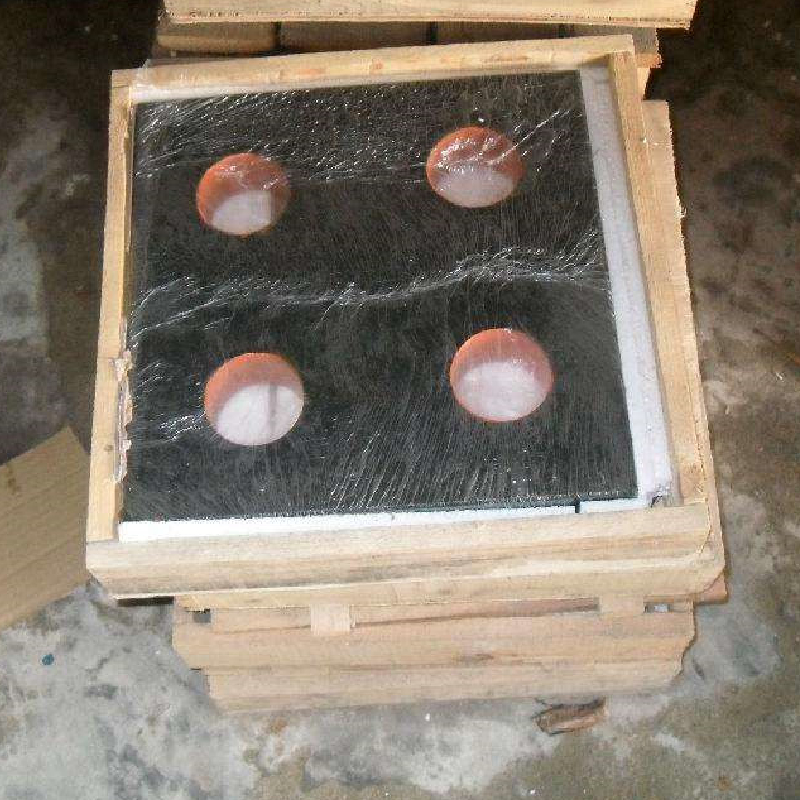
decorative sandblasting
Small globe valves play a crucial role in fluid control systems across a variety of industries . These precision-engineered devices are designed to regulate flow, ensuring optimal performance and safety in both high-pressure and low-pressure situations. Understanding the unique attributes and functions of small globe valves can help businesses and engineers choose the right valve for their specific applications. Small globe valves are notable for their ability to precisely control flow rates, a feature that is invaluable in scenarios where exact measurements of fluid displacement are critical. Unlike gate or ball valves, globe valves utilize a linear motion to throttle flow, which means that they can be opened or closed incrementally, offering superior flow regulation. This feature is especially beneficial in industries such as pharmaceuticals, chemical processing, and HVAC systems where maintaining consistent pressure and flow is paramount. From a design perspective, small globe valves are built with a spherical body and an internal baffle that divides the inside. The horizontal seating arrangement for the valve plug offers enhanced seal integrity, reducing the risk of leaks, which is a common issue with other types of valves. This design not only prevents leakage but also supports a longer operational lifespan, translating to reduced maintenance costs and downtime. The materials used in the construction of globe valves, like stainless steel and brass, further enhance their durability and resistance to corrosive substances, expanding their suitability for a variety of environments and fluids. Expert installation and maintenance of small globe valves are essential to maximizing their efficiency and longevity. Despite their robust design, improper handling can lead to issues such as disc and seat wear. Valves should be inspected regularly to ensure their components are not worn or damaged, and operators must be trained to adjust and replace parts as necessary. Many manufacturers provide comprehensive manuals and customer support to assist with the installation and maintenance processes, adding an extra layer of reliability and support for users. small globe valve The selection of a globe valve should be based on several factors including the specific application requirements, such as pressure, temperature, and flow rates. Additionally, understanding the type of medium being controlled is crucial; for more viscous fluids, a globe valve with a needle or similar design may be more appropriate to manage flow precisely. Consulting with experienced professionals or engineers can provide valuable insights into the best type of globe valve for a specific task, enhancing operational efficiency. Furthermore, technological advancements have led to the development of smart globe valves equipped with sensors and remote control capabilities. These innovative designs allow for real-time monitoring and adjustments, optimizing performance without the need for physical intervention. Such technology is particularly beneficial in large-scale operations where maintaining consistent performance is critical to overall output and safety. Finally, trustworthiness and authority play significant roles in the manufacturing and distribution of small globe valves. Reputable suppliers adhere to stringent industry standards and certifications, which is vital information for consumers to consider. Always verify that your valve supplier offers robust quality assurance and after-sales support, as these aspects are indicative of the reliability and dependability of both the product and the company. In conclusion, small globe valves are indispensable tools in fluid management for a variety of industrial applications. Their design, functionality, and the commitment to quality from established manufacturers ensure that they provide precise control, reliability, and durability. By understanding their capabilities and maintaining them responsibly, industries can ensure efficient and safe operations. Choosing a valve should be an informed decision, guided by expert insights and rigorous standards, ensuring that it meets the highest expectations of performance and compliance.
about
decorative sandblasting
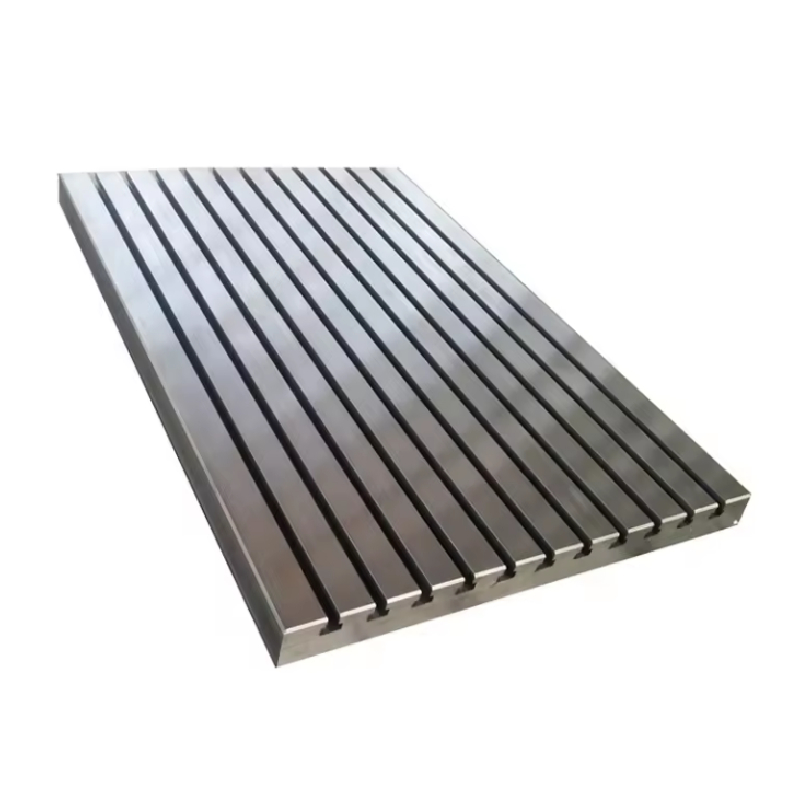
Stalowa produkcja Klucz do sukcesu w budownictwie Produkcja stali to jeden z najważniejszych sektorów przemysłu, który odgrywa fundamentalną rolę w różnych gałęziach, w tym budownictwie, motoryzacji czy infrastrukturze. Dzięki zastosowaniu stali w różnych formach, możliwe jest tworzenie trwałych konstrukcji, które są odporne na różnorodne warunki atmosferyczne i mechaniczne obciążenia. W artykule tym przyjrzymy się różnym aspektom obróbki stali oraz jej znaczeniu w dzisiejszym świecie. Wprowadzenie do obróbki stali Obróbka stali obejmuje szereg procesów, które przekształcają surowce stalowe w gotowe elementy konstrukcyjne. Procesy te mogą obejmować cięcie, gięcie, spawanie, malowanie oraz montaż. W każdym z tych etapów, wysokiej jakości narzędzia i technologie są kluczowe dla osiągnięcia pożądanych rezultatów. Nowoczesne zakłady produkcyjne korzystają z zaawansowanych maszyn CNC, które zapewniają precyzyjne cięcie i formowanie stali, co zwiększa efektywność produkcji i redukuje straty materiałowe. Rodzaje stali i ich zastosowanie Stal jest materiałem niezwykle różnorodnym. Możemy wyróżnić kilka podstawowych rodzajów stali, takich jak stal węglowa, stal nierdzewna, czy stal stopowa. Stal węglowa, której głównym składnikiem jest węgiel, jest najczęściej stosowanym typem stali w budownictwie. Jest ona łatwa w obróbce i ma dobre właściwości mechaniczne. Stal nierdzewna, z kolei, charakteryzuje się odpornością na korozję i jest często używana w środowiskach, gdzie występuje kontakt z wodą czy chemikaliami. Krytyczne etapy procesu produkcji steel fabrication table Jednym z kluczowych etapów w obróbce stali jest spawanie. To proces, który polega na łączeniu dwóch lub więcej elementów stalowych w jedną całość przy użyciu wysokiej temperatury. W zależności od zastosowania, można zastosować różne techniki spawania, takie jak spawanie łukowe, TIG czy MIG. Wybór odpowiedniej metody zależy od rodzaju stali oraz wymagań dotyczących wytrzymałości konstrukcji. Kolejnym ważnym etapem jest malowanie stali, które ma na celu ochronę przed korozją oraz poprawę estetyki finalnego produktu. Właściwe przygotowanie powierzchni oraz dobór odpowiednich farb i technologii malarskich mają znaczący wpływ na trwałość i wygląd stalowych elementów. Znaczenie dla przemysłu budowlanego Obróbka stali jest niezbędnym elementem w budownictwie, gdzie stal wykorzystywana jest zarówno w konstrukcjach nośnych, jak i w elementach wykończeniowych. Dzięki swojej wytrzymałości i elastyczności, stal pozwala na wznoszenie nowoczesnych budynków, mostów czy wieżowców. Współczesne trendy w architekturze, takie jak budynki ekologiczne czy inteligentne konstrukcje, również korzystają z zalet stali, co czyni ją materiałem przyszłości. Podsumowanie Obróbka stali to kluczowy element współczesnego przemysłu, który ma ogromny wpływ na wiele dziedzin życia. Dzięki nowoczesnym technologiom i innowacjom, stal pozostaje jednym z najważniejszych materiałów budowlanych, a jej zastosowanie będziemy obserwować w różnych formach jeszcze przez wiele lat.
-

High quality industrial productsagement

High quality industrial products
View Details -

Meet the diverse needs of customers

Meet the diverse needs of customers
View Details -

Strict quality control

Strict quality control
View Details -

Top raw materials

Top raw materials
View Details -

Trusted supplier

Trusted supplier
View Details
Our application


news and information
water meter shut off valve
The significance of the water meter shut off valve often goes unnoticed until an emergency arises or

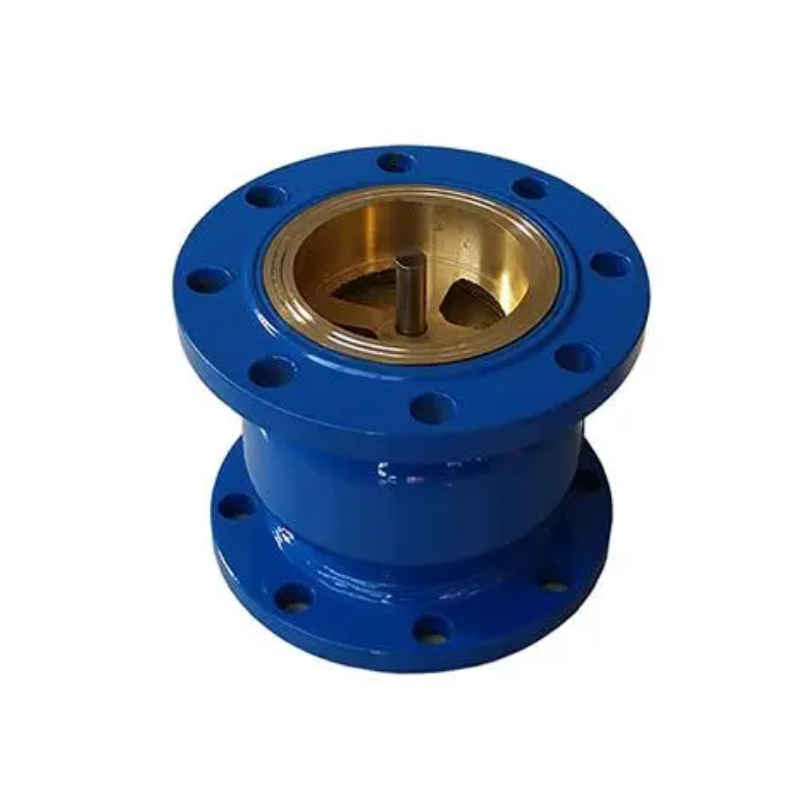
Válvula de retención de 25 mm para sistemas de plomería y fluidos industriales
25mm check valve .
Wskaźnik pierścienia gwintowego npt
Narzędzie pomiarowe Przyrząd do gwintów NPT - Przewodnik po użyciu i znaczeniu W świecie inżynierii
 English